
grey vanity mirror with lights
Understanding Thread Plug Gauge Standards Thread plug gauges are essential tools in the manufacturing and quality control industries, primarily used to ensure the integrity of threaded components like screws, bolts, and nuts. These gauges help verify whether the threads conform to established specifications, ensuring that components fit together correctly and function as intended. A thorough understanding of thread plug gauge standards is crucial for engineers, manufacturers, and quality assurance professionals. What is a Thread Plug Gauge? A thread plug gauge is a measuring tool designed specifically to assess the form and fit of internal threads. The gauge features a tapered shape for easy insertion into the threaded holes. There are two primary types go gauges and no-go gauges. The go gauge checks whether a component's features are acceptable, while the no-go gauge ensures that the part does not exceed maximum tolerances. Importance of Thread Plug Gauge Standards The standards governing thread plug gauges ensure uniformity and quality across various industries. For manufacturers, adherence to these standards minimizes the risk of parts failing during operation due to incorrect thread specifications. For instance, a misthreaded bolt can lead to catastrophic failures in machinery or structures. Thus, standardized gauges significantly enhance safety and reliability in engineering applications. Common Standards Organizations Several organizations establish international standards for thread plug gauges, including the American National Standards Institute (ANSI), the International Organization for Standardization (ISO), and the Deutsches Institut für Normung (DIN). These organizations outline specific requirements, such as thread dimensions, tolerances, and testing methods. For example, the ISO 1502 standard specifies the basic dimensions and tolerances for metric screw threads, including those used in thread plug gauges. thread plug gauge standard Key Parameters in Thread Plug Gauge Standards Thread plug gauge standards encompass several critical parameters, including 1. Thread Profile The profile must match the specified design, whether it’s Unified National Thread (UNC/UNF), Metric (M), or other international standards. 2. Pitch Diameter This is the diameter at which the thickness of the thread and the distance between the threads are balanced. It’s a vital measurement for ensuring that the threads mesh properly. 3. Tolerances These are limits established for how much variation from the base dimensions is acceptable. Tolerances ensure that parts fit together properly without excessive play or interference. 4. Material Specifications Thread plug gauges must be made from durable materials, typically high-grade steel or carbide, to withstand wear and tear during repeated use. 5. Calibration Regular calibration against defined standards is essential to maintain accuracy over time. This process ensures that measurements remain reliable throughout their service life. Conclusion In conclusion, thread plug gauge standards play a vital role in maintaining the quality and safety of threaded components across various industries. By adhering to these standards, manufacturers can ensure that their products meet stringent quality requirements, ultimately leading to more reliable and effective applications. As technology advances and the complexity of engineering designs increases, an understanding of these standards will remain crucial for those involved in the production and quality assurance of threaded components. Without such standards, the risk of failures due to improper threads would greatly increase, highlighting the undeniable importance of standardized practices in engineering and manufacturing.
about
grey vanity mirror with lights
Replacing the Outside Water Valve A Step-by-Step Guide The outside water valve is an essential component of your home's plumbing system. It controls the flow of water to your outdoor faucets and irrigation systems. Over time, wear and tear can lead to leaks or failures in the valve, necessitating a replacement. If you find yourself with a faulty outside water valve, don’t fret! Replacing it is a manageable DIY project that can enhance your home’s water efficiency. This article will guide you through the process of replacing the outside water valve. Tools and Materials Needed Before diving into the replacement process, ensure you have the necessary tools on hand. You’ll need - Adjustable wrench - Pipe wrench - Screwdriver - Teflon tape - Replacement valve (ensure you get the correct size for your system) - Bucket or towel (to catch any water) - Safety goggles and gloves Step 1 Turn Off the Water Supply Before you can replace the outside water valve, it’s crucial to turn off the water supply to prevent any flooding or leaks during the process. Locate the main water valve in your home and shut it off . Once this is done, relieve any pressure in the system by opening the nearest faucet to drain the water. Step 2 Remove the Old Valve Using your adjustable wrench, carefully disconnect the old water valve from the piping. Depending on how the valve is installed, you may need to use a pipe wrench to loosen stubborn connections. Be prepared for some water spillage, so keep your bucket or towel handy to soak up any escaping water. If the valve is particularly corroded or stuck, you can apply penetrating oil to help loosen it. Step 3 Clean the Threads outside water valve replacement With the old valve removed, take a moment to clean the threads on the piping. This step is crucial for ensuring a proper seal with the new valve. Use a wire brush or cloth to scrub away any debris or corrosion that may have accumulated over time. Step 4 Install the New Valve Before installing the new valve, wrap the threads of the pipe with Teflon tape. This tape helps prevent leaks and ensures a tight connection. Once wrapped, it’s time to thread the new valve onto the pipe. Hand-tighten it first, then use the adjustable wrench to secure it, being careful not to overtighten and cause damage. Step 5 Turn the Water Supply Back On After securely attaching the new valve, it’s time to turn the water supply back on. Slowly open the main valve and check for any leaks around the connection points of the new valve. If you notice any drips or water escaping, carefully tighten the connections until you achieve a leak-free seal. Step 6 Test the Valve With the water supply restored and the valve potentially fixed, it’s important to test its functionality. Open the outdoor faucet connected to the new valve to ensure water flows properly. Observe for any irregularities, like sputtering or pressure drops, which might indicate issues with the installation. Conclusion Replacing the outside water valve may seem daunting, but with proper tools and a clear understanding of the steps involved, you can accomplish it easily. Regular maintenance and timely replacement of plumbing components like the outside water valve can save you money in the long run and ensure your outdoor water needs are met efficiently. If at any point you feel uncomfortable with the installation, don’t hesitate to call a professional plumber for assistance. Happy plumbing!
-

High quality industrial productsagement

High quality industrial products
View Details -

Meet the diverse needs of customers

Meet the diverse needs of customers
View Details -

Strict quality control

Strict quality control
View Details -

Top raw materials

Top raw materials
View Details -

Trusted supplier

Trusted supplier
View Details
Our application

news and information

water valve key types
Understanding Water Valve Key Types Water valves are essential components in various plumbing system

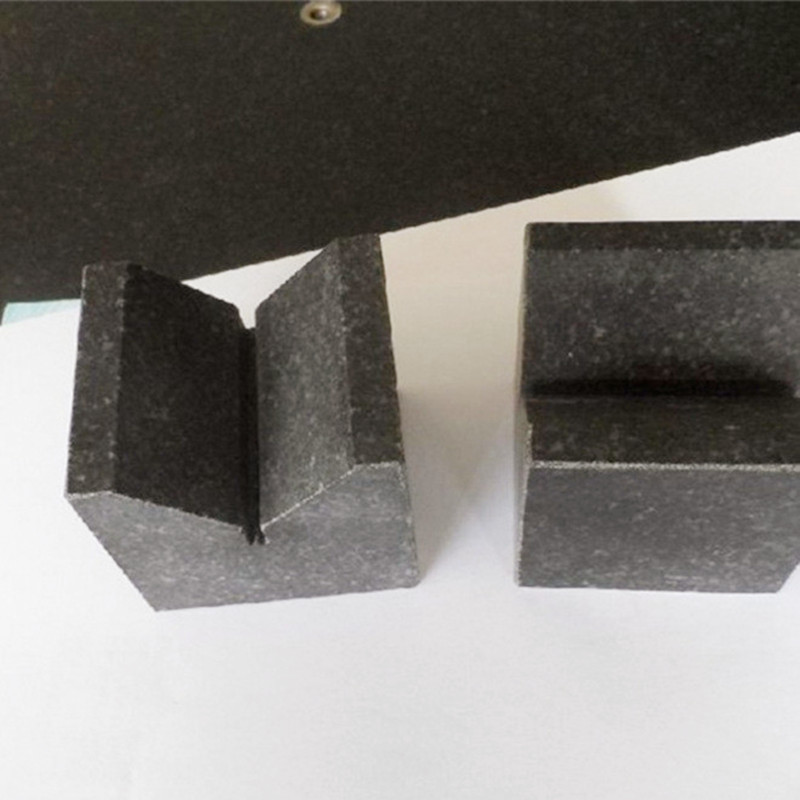
V Blocks Available for Purchase at Great Prices
V Blocks for Sale A Comprehensive Guide V blocks, also known as V-blocks or V-block clamps, are esse

válvula de controlo
Válvulas de Controle Essencial para a Automação Industrial As válvulas de controle desempenham um pa
 English